Our conviction
Career support should no longer be a privilege
Coaching, career reviews, development plans: they go first to those who already have the most. It's time to change the equation.
Our conviction
Coaching, career reviews, development plans: they go first to those who already have the most. It's time to change the equation.
62% vs 16%
of university graduates vs people without post-compulsory education took continuing training in Switzerland (FSO, 2021)
In many organisations, career development resources follow an unwritten rule: support "identified talent" first. Coaching, career reviews and development programmes are reserved for them. Everyone else gets an annual review, sometimes.
Official figures confirm the imbalance. In Switzerland, 62% of university graduates took continuing training in 2021, compared with 16% of people without post-compulsory education, according to the Federal Statistical Office. And 29% of 25 to 64-year-olds had not taken any continuing training for five years or more, a share that rises to 52% among people with low qualifications.
Globally, the World Economic Forum estimates that out of 100 workers, 59 will need training by 2030, and 11 of them are unlikely to receive it.
Talent is everywhere. Access to method, much less so.
The problem is not a lack of talent. It is access to the right questions, the right tools and the right timing. A career review, serious interview preparation, an outside view of your path: each of these changes a trajectory. And each is still too often reserved for a few.
That is why Lucidity exists: to put in everyone's hands the method once reserved for identified talent. The same reviews, the same workshops, the same rigour as professional career support, available when you need it, in your language, at an accessible price. So everyone can think and act for themselves.
So everyone can steer their career, Lucidity makes available:
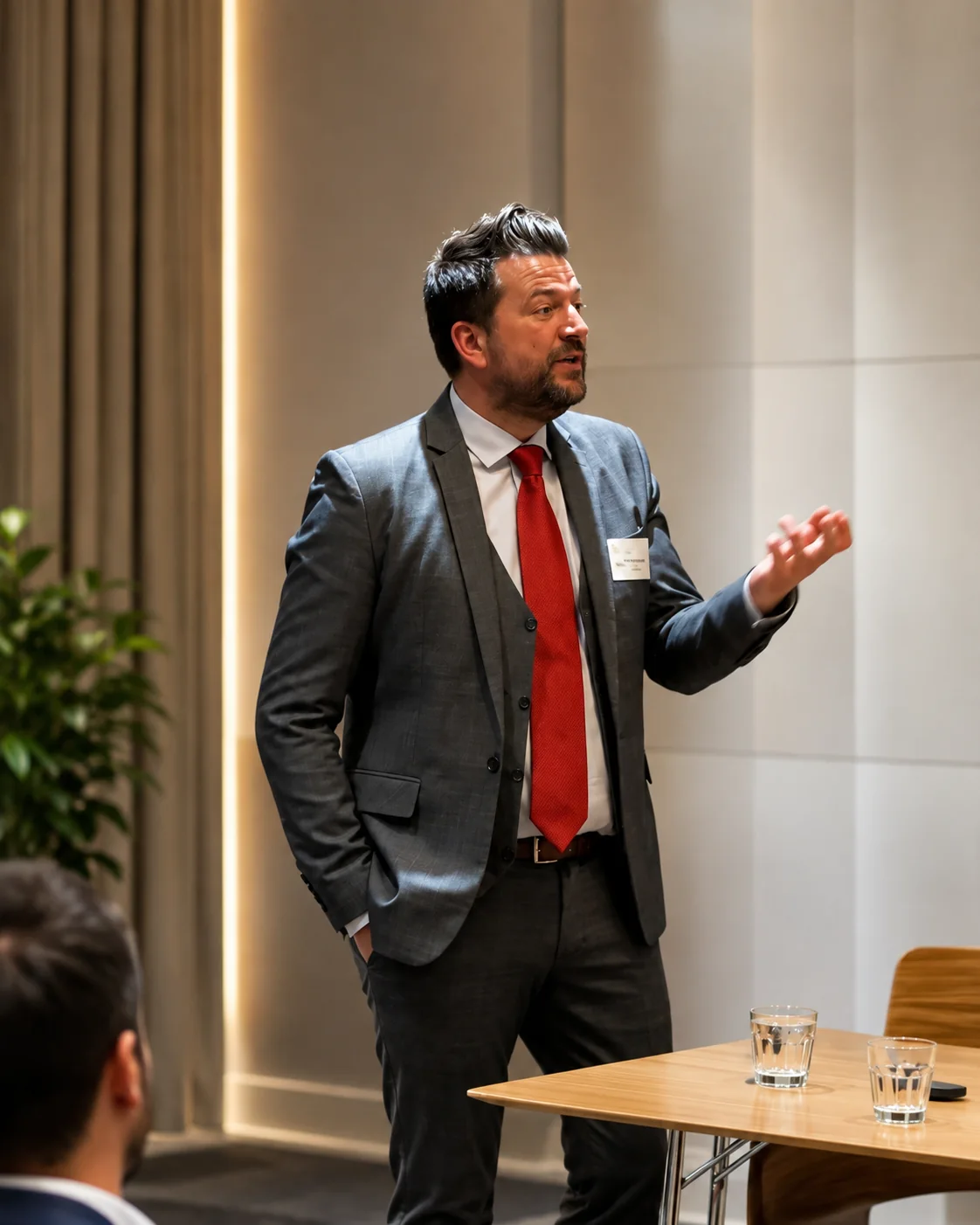
Guillaume Stollsteiner
Founder of Lucidity, former recruiter and head of TnP
Figures from official publications, checked in September 2026.
Read next
Boredom, fatigue, loss of meaning: the signals we learn to ignore
Read the article